
Business Acquisitions
Business Acquisition Financing Structured for What Comes Next
The Foster Company helps acquisition buyers, business owners, investors, operators, and referral partners evaluate and structure financing for established-business acquisitions. We consider the business, buyer, historical cash flow, equity, seller participation, working capital, real estate, equipment, and transaction timing as one complete opportunity.
- SBA & Conventional Financing
- Buyer Equity
- Seller Participation
- Working Capital
The Foster Company Experience
- 20+ YearsCalifornia-Licensed Commercial Real Estate Experience
- $350M+Commercial Real Estate Transactions Facilitated
- 50 StatesNationwide Reach Across the United States
What We Deliver
A Partnership Built Around the Whole Acquisition
We evaluate the business, buyer, real estate, cash flow, and capital needs as one coordinated opportunity—then help organize a financing strategy aligned with what the transaction requires.

Business Acquisition Financing
Structure financing for an established-business acquisition by considering purchase price, historical cash flow, buyer equity, seller participation, working capital, and transaction objectives.

Real Estate, When Included
Coordinate financing for commercial real estate included in the acquisition, including owner-occupied commercial real estate or lease-related considerations tied to the transaction.

Working Capital & Post-Closing Needs
Consider working capital, equipment, inventory, improvements, transition costs, and other operating needs that may be required after the acquisition.

Guidance & Coordination
Help organize information, clarify open items, coordinate financing requirements, and keep the buyer and relevant transaction parties aligned throughout the process.
Our Evaluation Framework
We Evaluate the Whole Acquisition
Every acquisition is unique. We evaluate the factors that influence transaction structure, underwriting, financing options, and the buyer’s ability to support the business after closing.

Purchase Price & Valuation
Evaluate the purchase price, proposed transaction structure, valuation support, and the consideration being exchanged.

Historical Cash Flow & Financials
Review historical performance, cash flow trends, financial adjustments, and the quality and sustainability of earnings.

Buyer Experience, Equity & Liquidity
Assess relevant experience, ownership involvement, available liquidity, equity contribution, and post-closing financial capacity.

Debt-Service Capacity
Evaluate whether historical and projected cash flow can reasonably support acquisition debt, existing obligations, and ongoing operating needs.

Seller Participation & Deal Terms
Consider seller financing, standby requirements, earnouts, holdbacks, transition terms, and other seller-supported elements when applicable.

Working Capital & Post-Closing Needs
Evaluate working capital, equipment, inventory, improvements, transition expenses, and other operating or capital needs that may arise after closing.
Potential Capital Components
Multiple Capital Solutions. One Coordinated Strategy.
We coordinate the right mix of financing solutions based on the business, buyer, seller, and transaction objectives.
SBA 7(a) Financing
SBA 7(a) financing may support eligible business acquisitions, changes of ownership, working capital, commercial real estate, equipment, and other qualifying uses. Individual 7(a) loans generally have a maximum loan amount of $5 million. Depending on the opportunity, eligible borrowers may also be able to combine 7(a) and 504 financing within applicable SBA limits. Eligibility, structure, guaranty requirements, and final terms remain subject to SBA rules and lender approval.
Conventional Acquisition Financing
Bank and non-SBA term financing may provide acquisition capital for qualified buyers and businesses based on cash flow, collateral, buyer strength, transaction structure, and lender requirements.
Seller Financing
Seller notes, standby arrangements, earnouts, and other negotiated terms may help align interests, support the capital structure, and bridge transaction needs when appropriate.
Buyer Equity
Buyer equity supports the sources-and-uses structure, demonstrates financial commitment, and helps establish post-closing liquidity. Required equity varies based on the opportunity, financing structure, and lender requirements.

Real Estate, Equipment & Post-Closing Capital
Commercial real estate, equipment, leasehold improvements, inventory, and working capital may be financed within or alongside an acquisition structure when applicable.
Acquisition Process
A Clear Process. Guided Every Step.
From initial review through underwriting and closing coordination, each stage helps organize information, clarify requirements, and maintain momentum toward the next milestone.
- 1

Initial Review
We review the target business, buyer background, purchase terms, financing need, timing, and initial information provided.
- 2

Transaction Analysis
We evaluate historical financials, cash flow, valuation, buyer equity, seller participation, and the transaction’s capital needs.
- 3

Structure Development
We outline potential financing structures, sources and uses, and capital components aligned with the acquisition objectives and available qualifications.
- 4

Financing Coordination
We coordinate with appropriate lenders or capital sources and help organize financing requirements, SBA items, third-party reports, and transaction-party communication when applicable.
- 5

Underwriting & Due Diligence
We organize requested documentation, help address open items, and coordinate lender and third-party due diligence requirements.
- 6

Closing Coordination
We help coordinate final conditions, closing documentation, funding requirements, and communication as the transaction moves toward closing.
Selected Acquisition Transactions
Experience Applied to Real Acquisition Opportunities
Selected transactions show how the business, buyer, cash flow, equity, seller participation, real estate, working capital, and timing may come together within a complete acquisition structure.
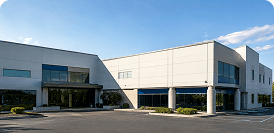
Business Acquisition Financing
Manufacturing Business Acquisition
Irvine, California
- Purchase Price
- $4,200,000
- Financing Structure
- $3,150,000 · SBA 7(a)
Acquisition of an established precision manufacturing company with commercial real estate included in the transaction.
View Transaction Story
Business Acquisition Financing
Restaurant Business Acquisition
San Diego, California
- Purchase Price
- $1,850,000
- Financing Structure
- $1,300,000 · SBA 7(a)
Acquisition of an established restaurant business with real estate and post-closing growth considerations.
View Transaction Story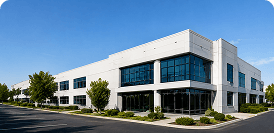
Business Acquisition Financing
Distribution Company Acquisition
Dallas, Texas
- Purchase Price
- $6,750,000
- Financing Structure
- SBA 7(a) + Seller Note
Acquisition of a distribution company structured around historical cash flow, buyer equity, seller participation, inventory, and working capital.
View Transaction Story
Business Acquisition Financing
Automotive Service Center
Phoenix, Arizona
- Purchase Price
- $2,100,000
- Financing Structure
- $1,575,000 · SBA 7(a)
Acquisition of a multi-bay automotive service business and commercial real estate through an integrated business-and-property structure.
View Transaction Story
Transaction information is presented only where approved. Certain names, locations, amounts, or identifying details may be withheld to protect client confidentiality.
Client Perspective
Real Experience Through the Acquisition Process
Hear directly from a business owner about the evaluation, financing structure, communication, and coordination involved in navigating a business acquisition.

Business Acquisition Client
Los Angeles, California
“The Foster Company helped us understand the business, structure the financing, and move through the process with clarity and confidence.”
Business Acquisition · SBA Financing · Client Experience
Watch the Client StoryInsights & Resources
Acquisition Perspectives for the Decisions Ahead
Explore practical guidance on financing structure, buyer liquidity, seller participation, working capital, and the decisions that shape a business acquisition.

Capital Strategy
Why Liquidity Creates Optionality
How available liquidity can preserve flexibility, strengthen negotiating leverage, support timing, and create greater strategic control.
Read Insight
Acquisition Guide
Structuring an SBA-Financed Business Acquisition
How purchase price, buyer equity, seller participation, working capital, real estate, and historical cash flow may fit into one coordinated acquisition structure.
Read Insight
Deal Breakdown
Deal Breakdown: Industrial Acquisition in Southern California
A closer look at purchase structure, financing, buyer equity, property considerations, and the factors that shaped the acquisition.
Read Insight
Business Acquisition Financing FAQs
Clear Answers Before the Next Move
Direct answers about business acquisition financing, buyer equity, seller participation, commercial real estate, credit considerations, timing, and what happens after an opportunity is submitted.
Reviewed by Chris Foster
Founder & Principal, The Foster Company
California Real Estate Broker · DRE #01406083
Last reviewed: August 2026
What types of businesses can be financed?
Established, cash-flowing businesses across manufacturing, distribution, service, retail, and hospitality, among others.
How much equity do I need for a business acquisition?
There is no single equity threshold. Required equity depends on the financing structure, business cash flow, purchase price, buyer profile, seller participation, real estate, working capital, lender requirements, and other transaction factors. Seller participation can sometimes reduce the amount required.
Can I include real estate in the acquisition financing?
Yes. Owner-occupied commercial real estate can often be financed alongside the business in a single structure.
How long does the acquisition financing process take?
Timing depends on the structure, the quality of the information available, and third parties such as appraisers and escrow.
Is seller financing required for a business acquisition?
Seller financing is not required in every business acquisition. A seller note can strengthen a structure and align interests, and some lenders view it favourably when included appropriately.
What credit profile is typically needed for business acquisition financing?
Credit is one part of the overall acquisition review. Requirements vary by lender and financing structure, and the analysis may also consider buyer experience, liquidity, equity, historical cash flow, collateral, existing obligations, and the complete transaction.
What happens after I submit an opportunity?
The opportunity is reviewed and structured, financing paths are identified, and you receive a clear read on fit and next steps.
Can you help if I have not found a business yet?
Yes. We can help you understand acquisition readiness and likely financing considerations, and identify the information worth evaluating while you search, so you can move quickly once you find the right business.
Already working with The Foster Company? Access the Partner Portal or Client Portal to review updates, complete requested actions, and manage an existing opportunity.